A gummy can feel easy without answering the whole night.
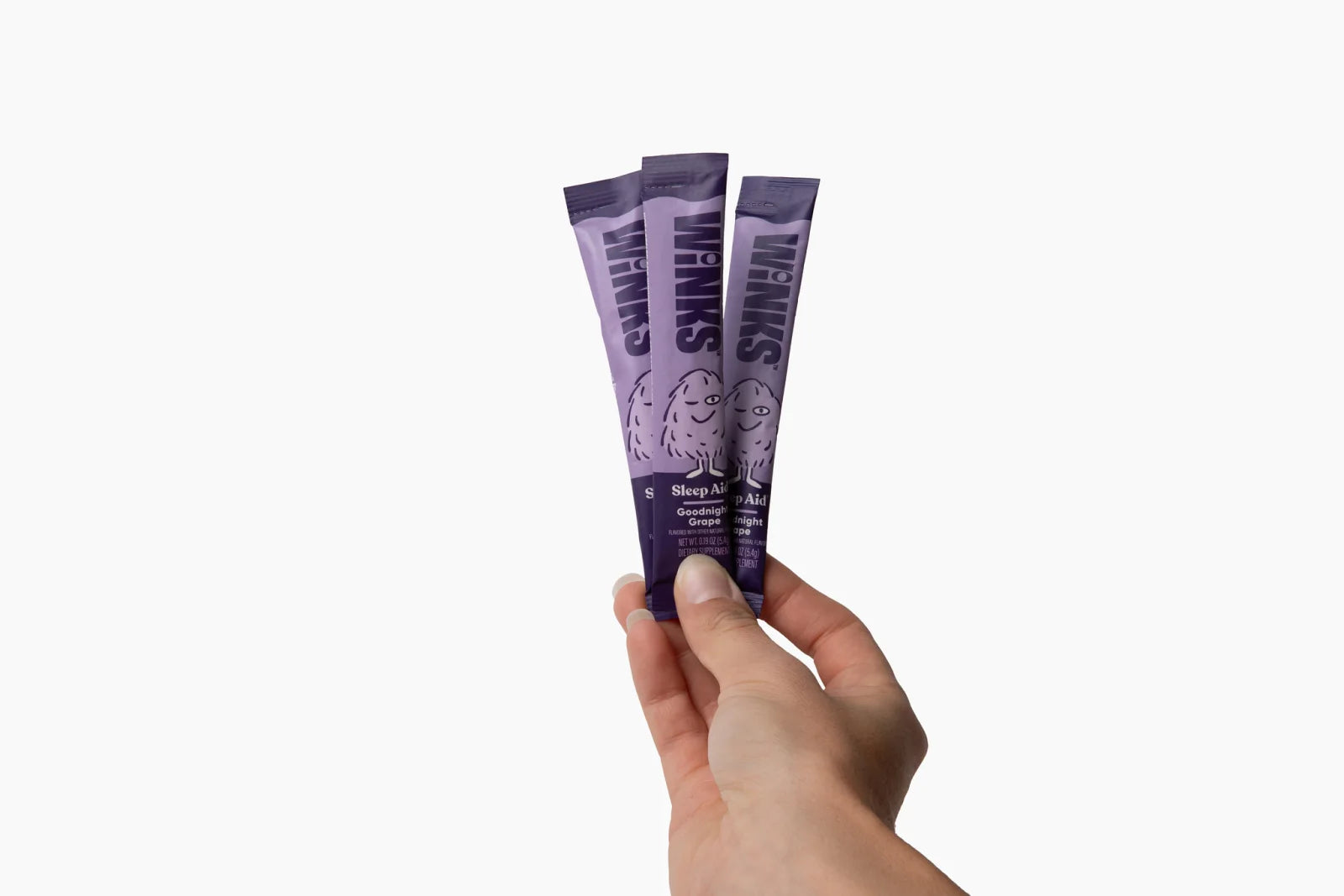
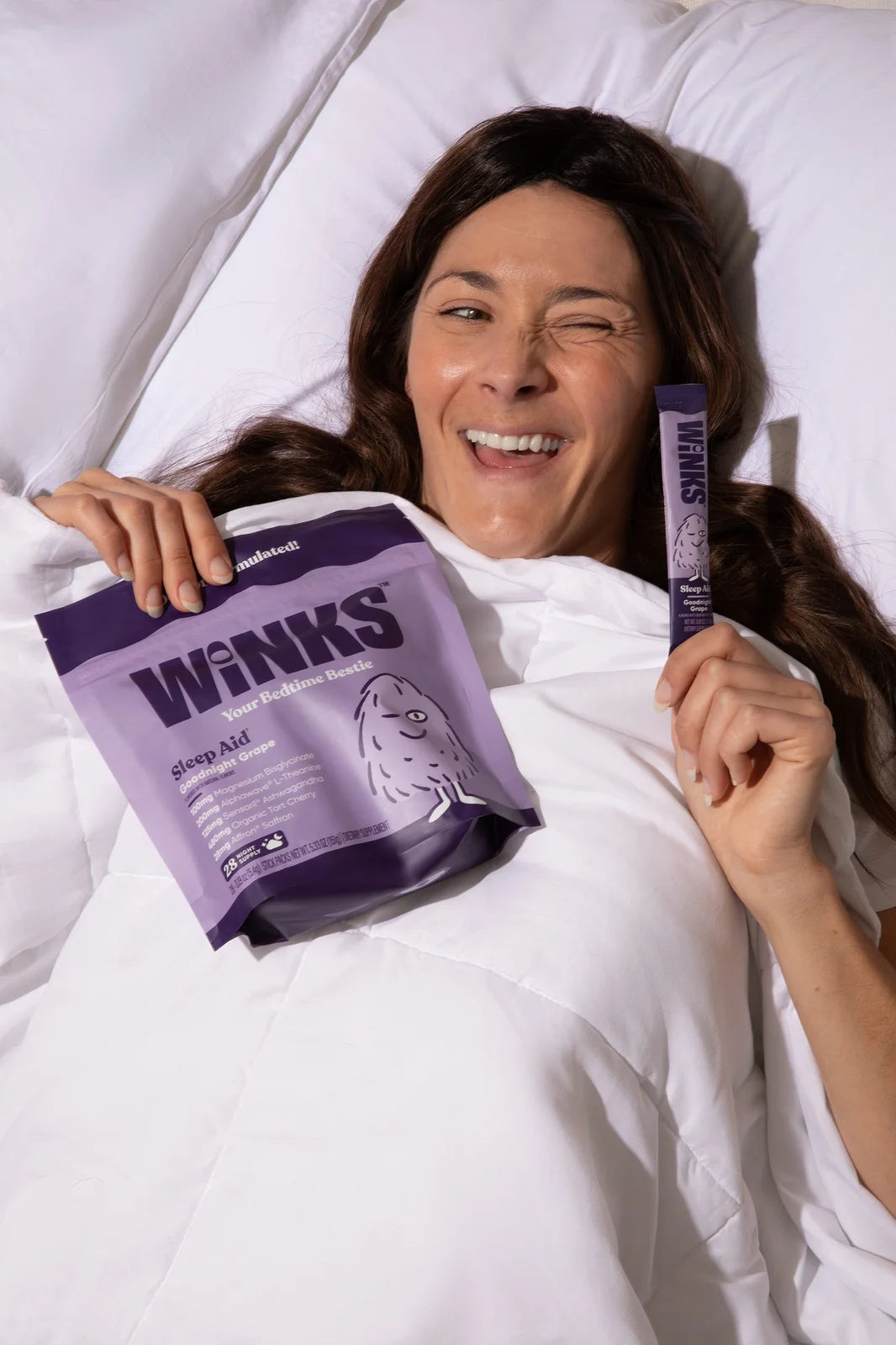
The appeal is obvious: chew something sweet, turn out the light, and hope bedtime gets easier. That familiar format is one reason sleep gummies became a nightly habit for so many people.
But convenience and fit are different questions. Before comparing products, decide what you actually want help with: settling down, falling asleep, staying asleep, or how the next morning feels.
Melatonin is a timing signal—not a whole-night strategy.
Melatonin helps signal when it is time for sleep. That can be useful in situations involving sleep timing, including jet lag and shifted schedules.
It does not follow that a stronger “knocked-out” feeling means better sleep. Falling asleep is one moment. The rest of the night and the next morning still count.
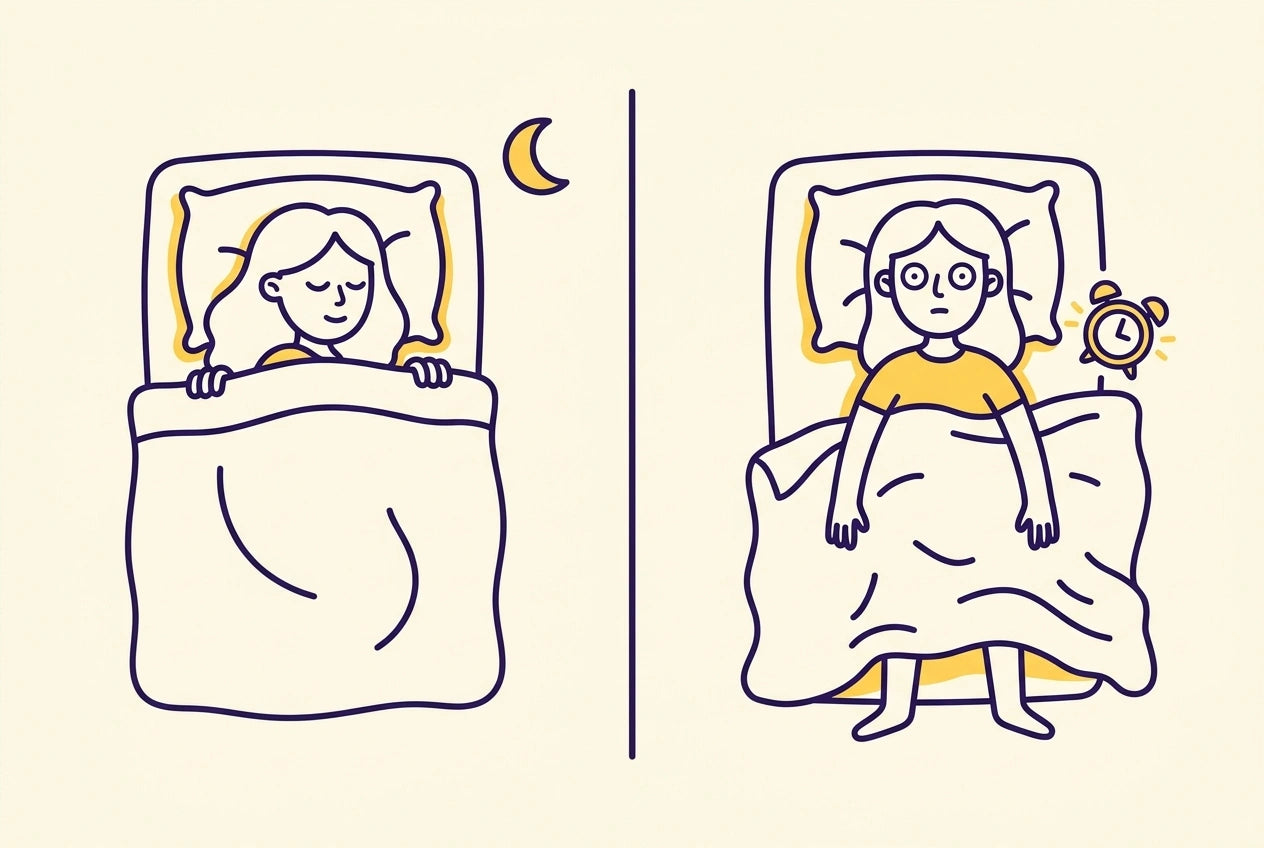
“I fell asleep” and “I slept well” are different answers.
Sleep onset is easy to notice, so it often becomes the only score people keep. Yet a routine can feel useful at 11 p.m. and incomplete at 3 a.m.
Adult evidence varies by person, condition, and formulation. Some reviews report modest improvements in certain measures, while a 2022 review found no clear improvement in onset, total sleep time, or efficiency for adults with non-comorbid chronic insomnia. The honest question is whether the routine matches your problem.