Sleep Wellness Journal

Advertisement

Nighttime patterns

11 Reasons Women Over 40 Can’t Stop Waking Up at 3 A.M.

From changing hormones to everyday habits, here’s what could be interrupting your sleep—and how to narrow it down.

A woman lying awake in bed at night and looking toward the ceiling

The time on the clock is one clue. What happens before and after can help you narrow down the reason.

The short version: waking at the same hour can have more than one contributor. The useful question is what pattern surrounds it.

If you know the exact time without checking, you are not alone. But “3 a.m. waking” is a description, not a single condition. Your pattern may involve your room, schedule, stress, life stage, habits, health, or more than one of these at once.

Use these eleven prompts as a short observation guide. They are not a diagnosis, and you do not need to force yourself into the perimenopause box for the guide to be useful.

A woman awake in bed at night, looking toward the ceiling

Sleep can become lighter with age.

Sleep changes across adulthood. The later part of the night is often lighter, so a sound, temperature shift, or passing thought may be more likely to wake you than it was years ago.

That does not tell you what your specific cause is. It is simply a reason to look at what is happening around the wake-up instead of treating 3 a.m. as a diagnosis by itself.

Notice what happened just before you woke up, not only the time on the clock.

A woman in bed at night with visible sweat on her back and damp hair

Your temperature may be changing overnight.

Hot flashes and night sweats can interrupt sleep during perimenopause and menopause. But not every woman over 40 is in the same life stage, and not every warm wake-up has the same cause.

For the next few nights, note whether you wake warm, sweaty, chilled afterward, or simply uncomfortable. A cooler room and lighter, breathable bedding are simple variables to test.

A woman awake in the dark while thoughts keep her from settling

Your mind may still be carrying the day.

Stress does not always look like panic. It can look like planning tomorrow, replaying a conversation, or remembering something the moment the house gets quiet.

Write down the first thought you notice when you wake. If the same category keeps appearing—work, family, money, logistics—that repetition is useful information.
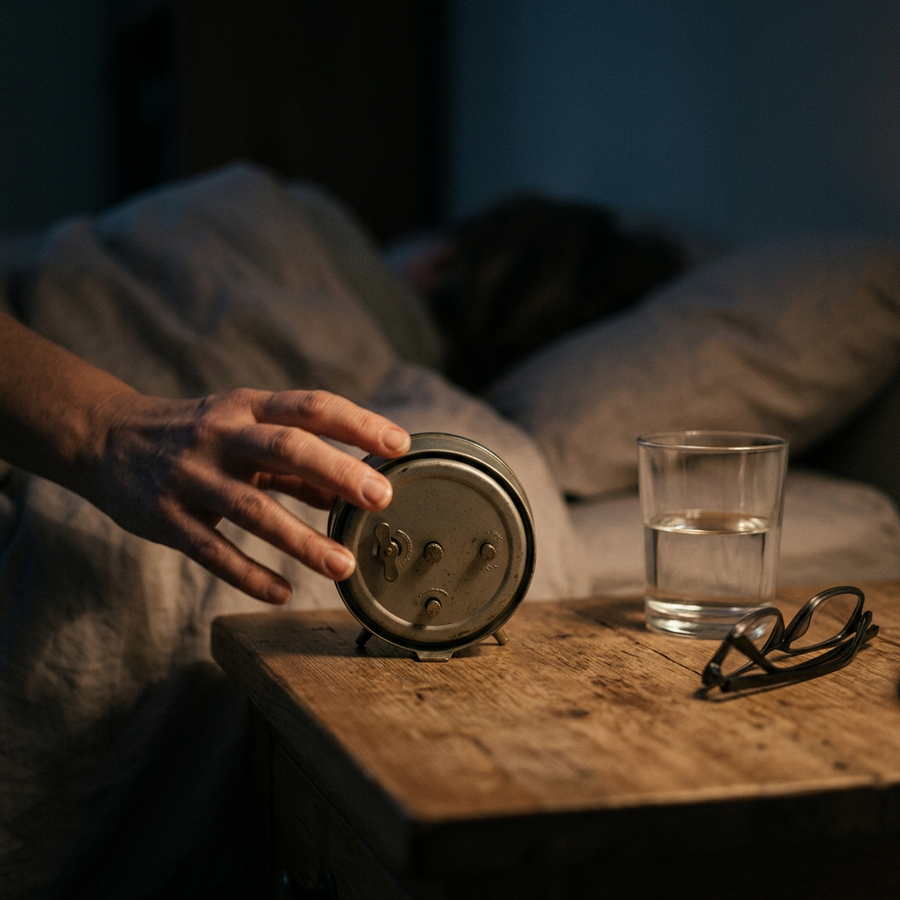
A hand turning a bedside clock away from the bed

Checking the clock may be keeping the loop going.

Seeing 3:07 can quickly turn into calculating how little sleep is left. That worry can make it harder to settle again, even when the original interruption was small.

Try turning the clock face away for several nights. You can still record the wake-up in the morning without doing sleep math in the dark.


Take the quiz to find out why you wake up

Next, look at the inputs. The most useful clues are often ordinary things that happen in the hours before bed or in the room itself.

A woman in her late forties holding a glass of red wine on her couch in the evening

An evening drink may be fragmenting the second half of your night.

Alcohol can make you feel sleepy at first, yet sleep later in the night may become lighter and more broken. The timing and amount can matter.

If you drink, compare a few ordinary nights with a few alcohol-free nights. Record what happens without treating one night as a verdict.

A bright kitchen with a clock showing late afternoon and a woman reaching for a coffee mug

Your caffeine cutoff may be later than your body prefers.

Caffeine can affect sleep for hours, and sensitivity varies. Coffee is not the only source; tea, energy drinks, chocolate, and some medications can contribute too.

Move your cutoff earlier for a week while keeping the rest of your routine as steady as possible. A consistent test is more informative than guessing from one night.

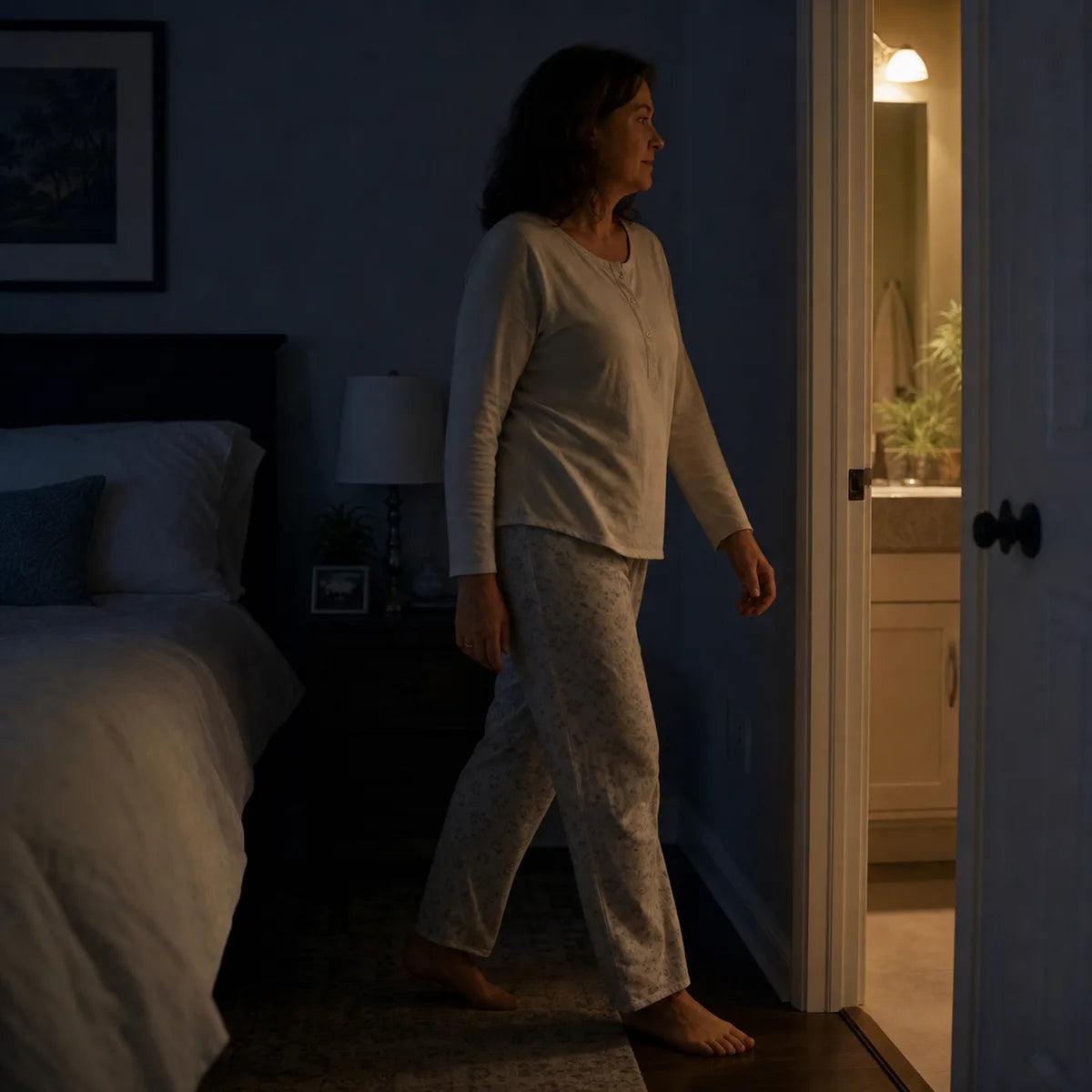
A woman walking from her dark bedroom toward a softly lit bathroom at night

A bathroom trip may be part of the pattern.

Sometimes a full bladder wakes you. Sometimes you wake for another reason and then realize you could use the bathroom. Evening fluids, caffeine, alcohol, medications, and health changes can all be relevant.

Note whether the urge wakes you or follows the wake-up. Frequent or changing nighttime urination is worth discussing with a clinician.

A woman stirred awake by her dog moving at the foot of the bed and light entering through the curtains

Your room may be interrupting you before you notice it.

A partner moving, a pet, traffic, early light, a thermostat cycle, or a room that becomes too warm can be enough to surface you during lighter sleep.

Change one variable at a time: temperature, light, sound, bedding, or where the pet sleeps. Small experiments beat changing everything at once.

Finally, look for changes that deserve a wider conversation. The goal is not to diagnose yourself. It is to notice what is persistent, new, or getting worse.

A woman opening the curtains to morning daylight

Your schedule may be sending mixed signals.

Large swings in bedtime or wake time can make sleep less predictable. Late work, travel, social plans, and long weekend lie-ins all change the pattern your body is trying to follow.

For one week, anchor the same wake time and get daylight after you rise. Note late screens too—not as a moral failure, just as another variable.

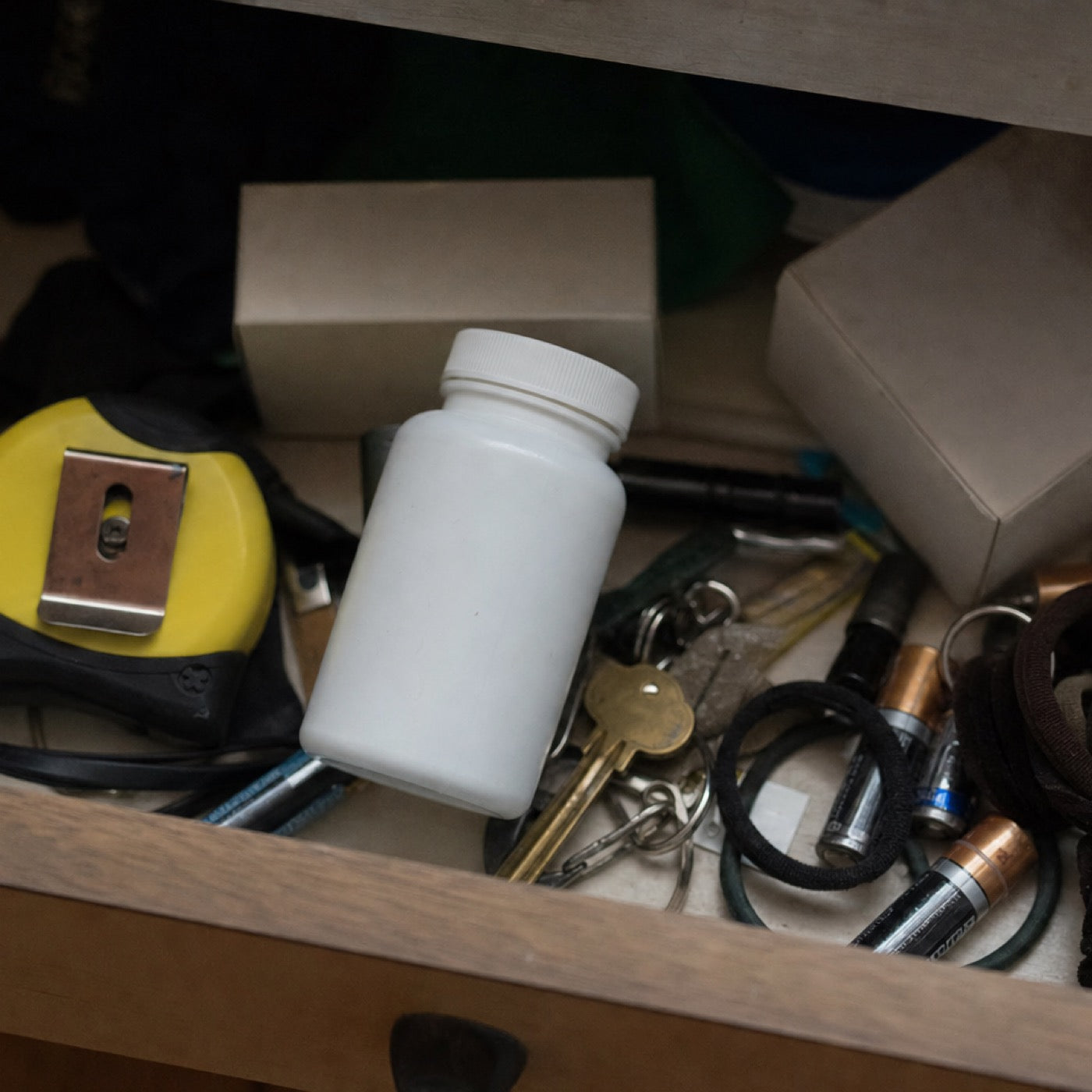
An unlabelled medicine bottle in a household drawer

Pain, reflux, or a medication change may be involved.

Physical discomfort can become harder to ignore when the night gets quiet. Some prescription and over-the-counter medicines can also affect sleep.

If the timing changed after a new symptom, dose, or medication, write that down and bring it to your clinician or pharmacist. Do not stop a prescribed medicine on your own.

A woman awake beside her sleeping partner and noticing his breathing during the night

Snoring or gasping can be a different kind of clue.

Loud snoring, gasping, or pauses in breathing deserve more than another bedtime hack. A partner may notice these signs before you do.

If this sounds familiar—or if your sleep disruption is severe, rapidly changing, or affecting daytime safety—talk with a healthcare professional.

When to get help: talk with a healthcare professional about loud snoring or gasping, persistent pain, frequent or changing nighttime urination, a major medication-related change, or sleep loss that is severe, worsening, or making driving and daily tasks unsafe.

You do not need to figure it out on your own. The quiz uses what you have noticed about your nights to help narrow down why you may be waking up.

Take the quiz to find out why you wake up