The Melatonin Hangover Is No Joke

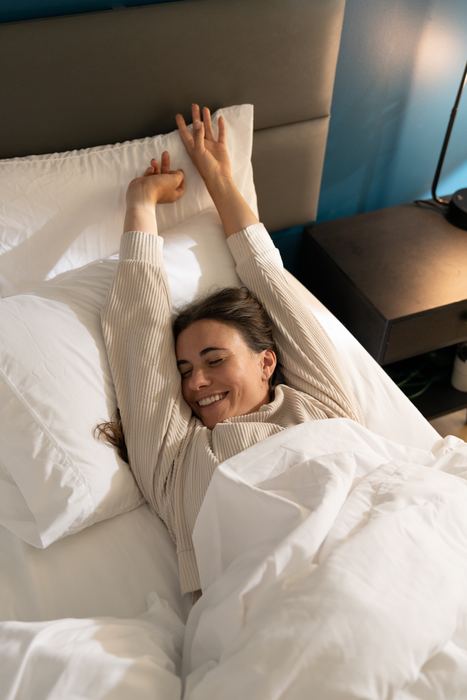
You took it to feel less tired. Then morning came. The alarm goes off. You hit snooze. You're reaching for another coffee before the first one has done anything. In sleep-aid reviews, people have a name for that heavy, foggy feeling: the ‘melatonin hangover.’
It isn't everyone's experience. But daytime sleepiness, headaches and dizziness were among the side effects reported in a review of 37 melatonin trials. Most reported effects were mild. Still, if your bedtime fix leaves you dragging through breakfast, the morning deserves a vote too. Read the review.
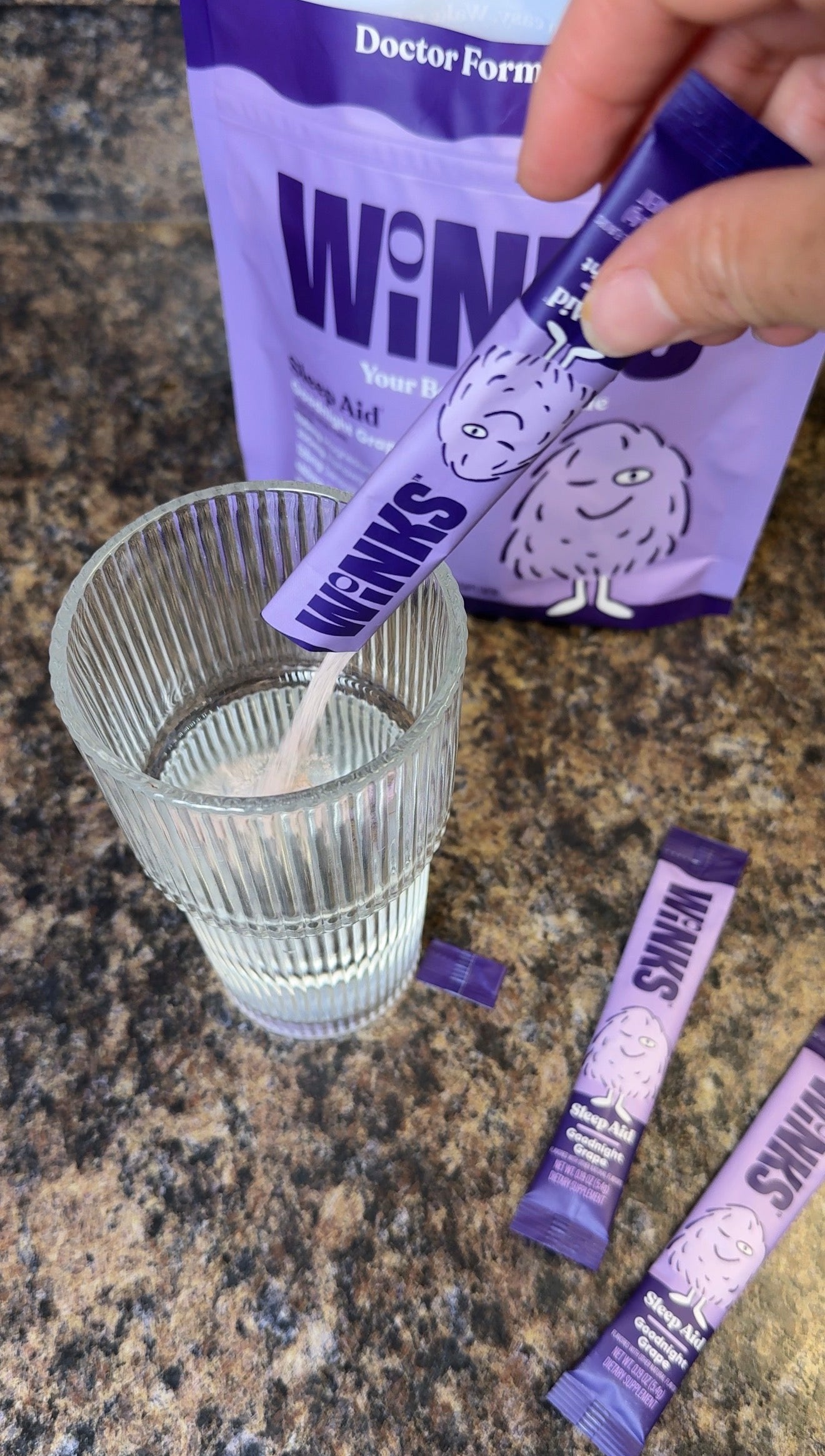
Photo: Heather Scott, paid Winks creator.
Long Term Use May Have Negative Side Effects

A bottle on the nightstand can quietly become a years-long routine. Yet most trials in the 2019 safety review lasted four weeks or less. The researchers found generally mild side effects, but too little long-term evidence to draw firm conclusions about continuous use.
A preliminary study presented at the American Heart Association in 2025 raised another question. Among adults with insomnia, recorded melatonin use for at least a year was associated with more heart-failure diagnoses over five years: 4.6% versus 2.7%.
That does not prove melatonin caused the difference. The research was a conference abstract, not a peer-reviewed full paper; unrecorded use and differences in patients' health could affect the findings. It is a reason to discuss a long-term sleep routine with your clinician, not proof that Winks is safer. Read the study summary and limitations.
Getting To Sleep Is Only Half The Battle.
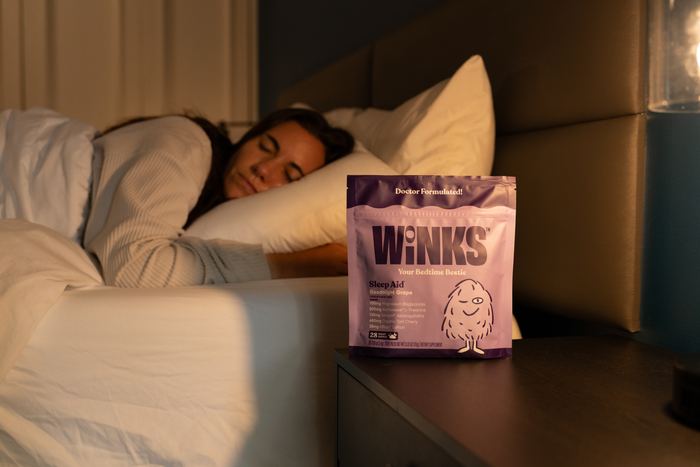
Asleep at 11. Awake at 3. Sound familiar? One person in our sleep research described waking ‘Like clock work’ around 3 AM every night, then struggling to get back to sleep. Other people described watching their partner sleep while they lay wide awake.
Getting to sleep matters. So does what happens after. Melatonin can help some people with sleep timing and other sleep measures, but that doesn't mean it resolves every reason you wake during the night. If you're still staring at the clock, falling asleep faster hasn't answered the whole problem.